
Blog
5 Simple Ways to Test the Purity of Desi Ghee at Home

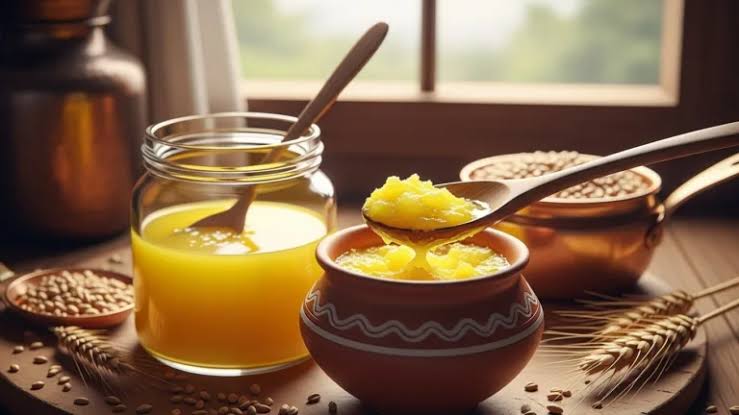
In almost every Pakistani household, Desi Ghee is not just a cooking ingredient—it is a symbol of love, health, and deep-rooted tradition. From drizzling it over hot winter parathas to using it as the base of our homemade dadi-approved panjeeris, desi ghee has always been our go-to source of strength.
But let’s be completely honest with ourselves: is the jar sitting in your kitchen cabinet actually pure?
Today, the market is flooded with mass-produced, factory-made ghee that claims to be “100% pure” but is often stretched with cheap hydrogenated vegetable oils (banaspati), starch, animal fat, or synthetic fragrances.
In this blog post, we’ll uncover why industrial ghee is failing your health, and we will share 5 incredibly simple tests you can perform in your kitchen right now to check the purity of your ghee.
Why Mass-Produced Ghee is Failing You
When you buy cheap, mass-produced ghee from a supermarket shelf, you are often buying the product of a highly industrialized process:
-
Artificial Aromas and Colors: Many factory brands use chemical flavor enhancers and artificial yellow food dyes to mimic the rich, natural golden color of real, slow-cooked grass-fed ghee.
-
The Adulteration Trap: To lower production costs, dishonest manufacturers frequently blend real butter fat with cheap palm oil, starch, or banaspati ghee.
-
Stripped of Nutrients: Mass-produced ghee is heated at extreme, uncontrolled industrial temperatures in massive steel vats. This harsh process completely destroys the delicate vitamins ($A, D, E,$ and $K$), healthy fatty acids, and the authentic granular texture (daanedari) that naturally hand-churned ghee possesses.
5 Simple Ways to Test Ghee Purity at Home
You don’t need a high-tech science lab to find out if your ghee is authentic. Just try these 5 quick home tests:
1. The Melting Test (The Easiest Way)
-
How to do it: Take a teaspoon of ghee and place it on your palm. Alternatively, heat a small pan on the stove and add a spoonful of ghee to it.
-
The Result: Pure desi ghee has a low melting point. It should melt almost instantly upon contact with your body heat or on a warm pan, turning a rich golden-brown color.
-
If it takes time to melt or turns a thick, chalky white color, it is highly likely adulterated with vegetable fats.
2. The Double-Boiler Freezing Test
-
How to do it: Melt a small amount of ghee and pour it into a clean glass jar. Place the jar inside your refrigerator for about 30 to 45 minutes until it solidifies.
-
The Result: Pure ghee will solidify as a single, uniform golden layer.
-
If you see distinct, separate layers forming inside the jar (for example, a yellowish layer on top and a white, waxy layer at the bottom), it means the ghee has been blended with cheap oils.
3. The Iodine Test for Starch
-
How to do it: Melt a tablespoon of ghee in a bowl and add a few drops of regular liquid Iodine (available at any local pharmacy/medical store).
-
The Result:
-
If the mixture turns blue, your ghee contains added starch, mashed potatoes, or sweet potato starch (used by factories to artificially thicken the product).
-
If the color remains unchanged, your ghee is starch-free!
-
4. The Palm Warmth & Rub Test
-
How to do it: Take a tiny dab of ghee, rub it vigorously between your palms for 10–15 seconds, and let it sit. Then, sniff your skin.
-
The Result:
-
Pure Ghee: The rich, earthy, and warm aroma will linger naturally on your skin, and the fat will absorb completely, leaving your hands feeling soft and deeply moisturized.
-
Adulterated Ghee: The scent will vanish almost immediately (revealing that synthetic artificial aromas were used), or it will leave a sticky, greasy, and uncomfortable wax-like residue on your palms.
-
5. The HCl (Acid) Test for Banaspati
-
How to do it: Take a tablespoon of melted ghee in a test tube or transparent glass container. Add a pinch of sugar and a small splash of Hydrochloric Acid (HCl). Shake gently and let it rest for 5 minutes.
-
The Result: If the mixture turns crimson red, it indicates the presence of coal tar dyes or cheap hydrogenated vegetable oils (banaspati). Pure ghee will not change color.
The Farm Fresh Promise: True Traditional Purity
If you are tired of doubting the quality of your food, it’s time to step away from the supermarket shelves and return to the soil.
At Farm Fresh, we believe that pure food is a fundamental right, not a luxury. Our premium, small-batch Desi Ghee is made using the traditional Bilona method. We slow-cook 100% pure butter fat obtained from our family-raised, grass-fed cows in Punjab.
-
No artificial colors or chemicals.
-
No added starches or vegetable fats.
-
Just the rich, daanedar texture and deep aroma of authentic heritage.
Switch to true health. Try our handcrafted Desi Ghee today and experience the difference that raw, honest purity makes on your table.